

Benefits
of Mindfulness

Bobby Wallum
8th Place - 2025 Master's CrossFit Games (35-39 Division)
“I can personally say working with Rafi changed my perspective on not only my sport, but everyday life.”

Grant Lester - SDSU D1 Men’s Golf & IVY League Rookie of the Year (24’-25’)
“I had always associated meditation with stepping away from life, not integrating it into virtually every waking moment. Rafi has taught me not only how to meditate mindfully, but has shown me how to live a mindful life. One of my favorite mantras used to be “be where your feet are.” Now, I actually know how to live that.”
-
Reduce Stress
Mindfulness meditation has been shown to significantly reduce stress and anxiety levels. By focusing on the present moment and observing thoughts without judgment, individuals can break the cycle of rumination that often leads to stress. Studies have shown that mindfulness can lower cortisol levels, the hormone associated with stress, leading to improved emotional regulation and greater psychological well-being.
-
Enhance Focus
Mindfulness meditation improves attention, concentration, and cognitive flexibility. Research shows that consistent mindfulness practice strengthens the prefrontal cortex, the part of the brain responsible for focus and decision-making. This leads to better sustained attention, quicker reaction times, and enhanced working memory, all of which are critical for both athletes and actors who need sharp mental clarity in high-pressure situations.
-
Improve Emotional Resilience
Mindfulness increases emotional regulation, allowing individuals to respond more calmly to challenges. This emotional resilience is linked to changes in the brain’s amygdala, which is involved in processing emotions like fear and stress. Mindfulness practitioners tend to have a lower amygdala response to stress, which leads to a greater ability to handle difficult situations with composure and balance, essential for peak performance in competitive environments.
THE SCIENCE
-
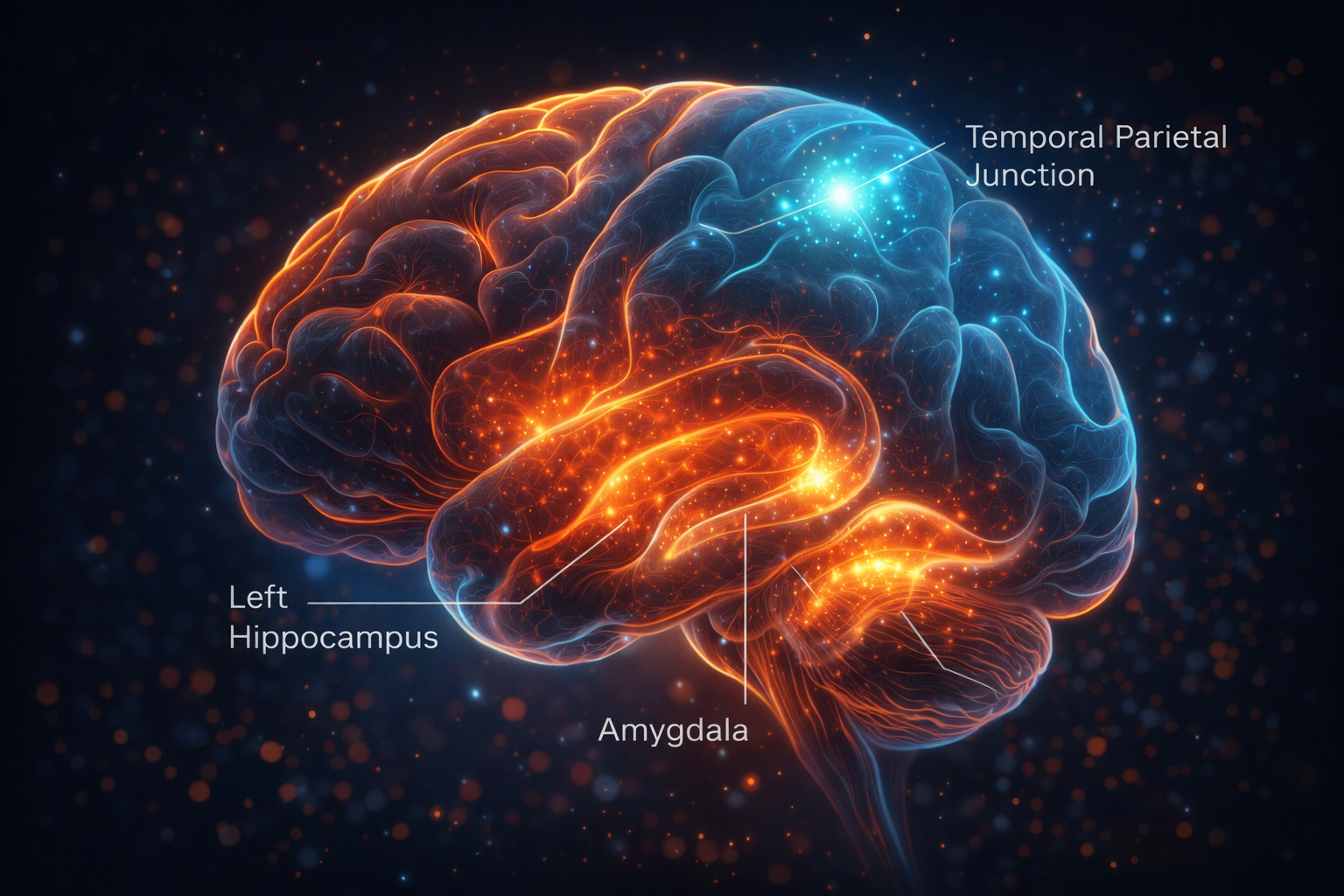
Develop an increase in gray matter in the temporo-parietal junction, which is important for perspective-taking, empathy, and compassion.
-
Develop an increase in gray matter in the left hippocampus, which assists in learning, memory, and emotional regulation.
-
A decrease in gray matter in the amygdala, which is associated with the fight or flight part of our brain.

“Although we use formal meditation to cultivate attention, the critical practice is to live in attention all the time.”
Ken McLeod
View • Practice • Integration
The PeakMind Approach
PeakMind coaching is built on three core principles: View, Practice, and Integration.
Together, these elements create a complete system for training attention, strengthening mental resilience, and applying mindfulness from the cushion to “the wild.”
-

Step 1: View
The View defines why we train the mind in the first place. Mindfulness is not relaxation or positive thinking; it is the disciplined training of attention: learning to see clearly what is happening in the present moment without bias or judgment.
-

Step 2: Practice
The Practice is where the training becomes experiential. Through simple mindfulness meditation on and off the cushion, participants learn to recognize when attention drifts and gently return it to the present moment.
-

Step 3: Integration
The Integration phase brings mindfulness directly into “The Wild.” Participants learn how to apply the skills developed in practice to moments of competition, training, and daily life.
VIEW
The View provides the conceptual framework that gives mindfulness its purpose: a practical tool for clarity, resilience, and consistent performance under pressure.
In this phase, we explore key performance principles such as:
The relationship between attention and performance
How pressure, expectation, and self-criticism influence decision-making
The difference between process-oriented focus and outcome fixation
How habits of mind shape confidence, resilience, and composure
By understanding key principles like precision, gentleness, impermanence, and non-attachment, participants learn that while results can’t always be controlled, their attention, perspective, and response can be trained.
PRACTICE
The Practice phase is where individuals begin training the mind directly.
Through formal mindfulness meditation, participants develop the ability to:
Notice when attention drifts
Recognize emotional reactivity under pressure
Reset their focus quickly
Maintain clarity and composure during demanding situations
The core instruction is simple:
Rest attention on the breath
Notice when the mind wanders
Gently return attention
This process trains the mind the same way physical exercise trains the body through repetition. Each moment of noticing and returning is a mental repetition that strengthens attention and awareness.
INTEGRATION
Bringing the Practice Into “The Wild”
The final step is Integration. Applying mindfulness directly to real-world performance.
This is where the training moves from the meditation cushion to the gym, field, course, stage, or workplace.
Integration exercises are tailored to each environment, whether that means:
A CrossFit WOD
A golf round
A tennis match
A team practice
A high-stakes professional setting
The goal is simple: Train the mind so that clarity and composure become available when they matter most.
“I have seen true benefits in my approach to acting as a result of Rafi’s advice to lead with compassion and thoughtfulness instead of individualism ”

Jake Steinberg
Actor/ Hyrox Athlete

“Recognizing you are not where you want to be is a starting point to begin changing your life.”
Deborah Day